INTRODUCTION
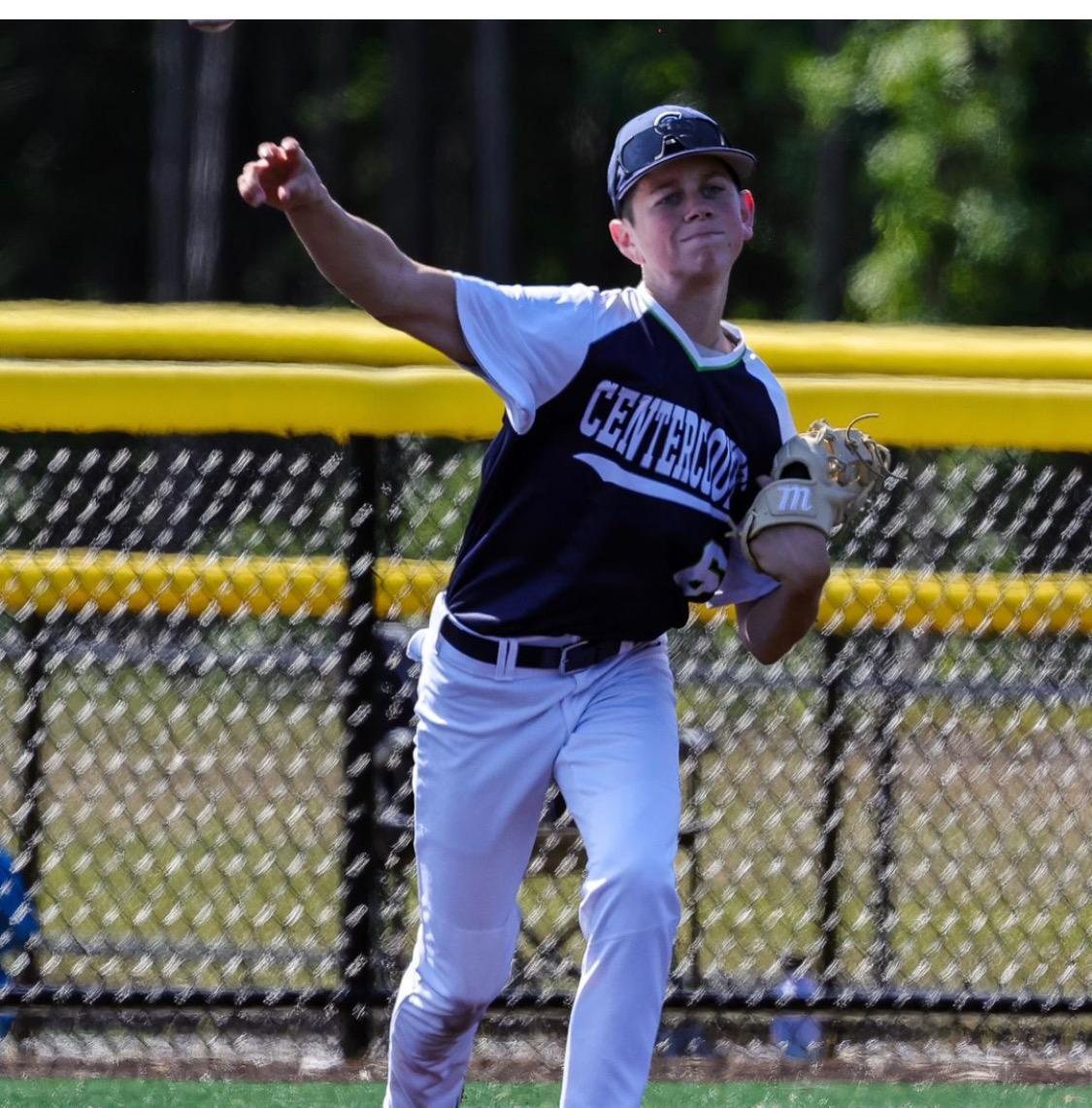
The act of overhead pitching is an extremely dynamic activity that ultimately places large stresses on the throwing shoulder and elbow. The ability to throw efficiently and reduce the risk of injury requires significant muscular and neuromuscular interdependence between body segments. Numerous musculoskeletal risk factors have been associated with the development of shoulder and elbow pain in the throwing athlete. Two of the most prevalent risk factors are glenohumeral internal rotation deficit (GIRD) and rotator cuff weakness, most notably of the external rotators.
Most baseball pitchers exhibit an obvious motion disparity with an increase in shoulder external rotation (ER) and decreased internal rotation (IR) at 90 degrees of abduction in the throwing shoulder compared to the non-throwing shoulder.1,2 Wilk et al2 discussed the concept of total rotational motion (TRM) which is the sum of passive shoulder ER and IR range of motion (ROM) at 90 degrees of abduction and found that despite the disparity in ER and IR between shoulders, TRM values for the throwing and non-throwing shoulders remained equal (within 5 degrees) in a sample of 372 professional baseball players. In a follow-up study, they reported that a TRM deficit of greater than 5 degrees was correlated with a higher injury rate.3
This shift in TRM with a significant deficit in IR has been identified as a risk factor for development of elbow and shoulder injuries.4,5 The loss of shoulder IR in the overhead thrower is considered to be an adaptive response to the repetitive and large stresses placed on the shoulder during throwing. Limitations in motion have been attributed to several possible causes including posterior capsule tightness,6 osseous adaptations,7 and soft tissue restrictions of the posterior cuff and deltoid.8
Professional pitchers with a GIRD of greater than 20 degrees compared to the non-dominant shoulder were found to be twice as likely to be injured.3 In a study examining 67 collegiate baseball players with and without shoulder pain, Ruotolo et al5 reported that those experiencing shoulder pain had a significant decrease in TRM and IR ROM of their throwing shoulder relative to their non-throwing side. External rotation ROM did not show a significant difference between those who were asymptomatic and those experiencing pain. They concluded that while total arc of motion is preserved in asymptomatic athletes, it is decreased in pitchers with pain and the subsequent total arc loss is a result of excessive internal rotation loss, despite external rotation gain.
In terms of rotator cuff strength, the posterior cuff demonstrates large EMG activity during the act of throwing as the supraspinatus, teres minor, and infraspinatus are most active in the late cocking phase where they work to compress and center the humerus in the glenoid in order to maintain stability of the glenohumeral joint.9 Strength deficits of the rotator cuff have also been found to be a predictive factor in developing shoulder or elbow issues. Multiple studies have identified a relationship between arm fatigue and a decrease in rotator cuff strength in pitchers with an increase in risk of injury.10–12 Supraspinatus weakness has been shown to be significantly associated with an increase in shoulder and elbow injury risk,11 and weakness of the posterior shoulder musculature has been observed in pitchers with prior throwing-related pain.12 Byram et al13 found a statistically significant correlation with preseason supraspinatus and external rotator weakness with in-season throwing related injury that resulted in surgical intervention. Of note, the infraspinatus appears to be more susceptible to inhibition during fatigue than other muscles and is thus likely to become inhibited during the act of throwing.14 Inhibition of the infraspinatus as indicated by a clinically significant decrease in voluntary muscle activation has been reported immediately following pitching in a simulated game.15
The findings of GIRD and rotator cuff weakness typically occur in tandem in baseball pitchers. Despite studies indicating the correlation of these findings with injury risk, there is a lack of consensus on an underlying cause. In a recent case report, Ceasrine et al16 found that a single application of a Muscle Energy Technique (MET) at the shoulder improved both IR motion and ER strength in an overhead thrower. These results in a single individual prompted consideration that the two entities may be linked, and that the immediate change following implementation of the MET may suggest the possibility of a neuromuscular component.
In a study of asymptomatic professional baseball pitchers, Reinold et al1 noted a significant decrease in shoulder IR motion immediately after pitching. The immediacy of this phenomenon after just one session of throwing may also indicate a neural component as a contributing factor. Gandhi and colleagues15 reasoned that infraspinatus weakness following a throwing session was due to insufficient neuromuscular recruitment. While the underlying mechanisms remain unclear for the responses that occur due to overhead throwing, the findings suggest that a cervical component may represent a plausible explanation deserving further investigation.
The authors of this paper propose that the loss of shoulder IR ROM and ER strength may be linked and originate from the cervical spine. The purpose of this study was therefore to investigate the effect of performing active cervical retraction and cervical retraction with extension exercises between innings of a simulated game on the shoulder IR ROM and ER strength following completion of the game.
METHODS
The study sought to enroll male baseball pitchers who were currently painfree with pitching. Recruitment was conducted at two locations, including a sports training facility and a university. Participants were randomly assigned to a control group or experimental group via concealed allocation using slips of paper that were selected by the participant. The investigator responsible for obtaining measurements was blinded to group allocation. All study procedures were approved by a university Institutional Review Board (IRB-FY2025-188) and all participants provided informed consent prior to enrolling in the study. The study protocol was registered at clinicaltrials.gov (NCT06854692).
Individuals were excluded from participation for the following reasons: previous shoulder or elbow surgery on the throwing arm within the prior 12 months, currently in the post-operative phase of rehabilitation after a shoulder or elbow surgery on the throwing arm, currently participating in a rehabilitation program for shoulder or elbow pain, or currently unable to throw due to shoulder or elbow pain.
Participants in both groups pitched a simulated game from a regulation mound. After their normal individual warm-up, each pitcher threw a total of 60 pitches (12 pitches followed by an 8-minute break, repeated for a total of 5 innings) at normal velocity and a normal distribution of fastballs and breaking balls that they would typically throw in a game. Similar parameters have been used in previous studies involving pitching a simulated game for investigating voluntary activation deficits of the infraspinatus in pitching induced fatigue15 and effect on IR range of motion.1 Shoulder IR ROM and ER strength were assessed on the throwing arm before the simulated game pitching and again at conclusion of the simulated game. Good to excellent intra-rater and inter-rater reliability has been previously reported for the methods used for these assessments.17,18
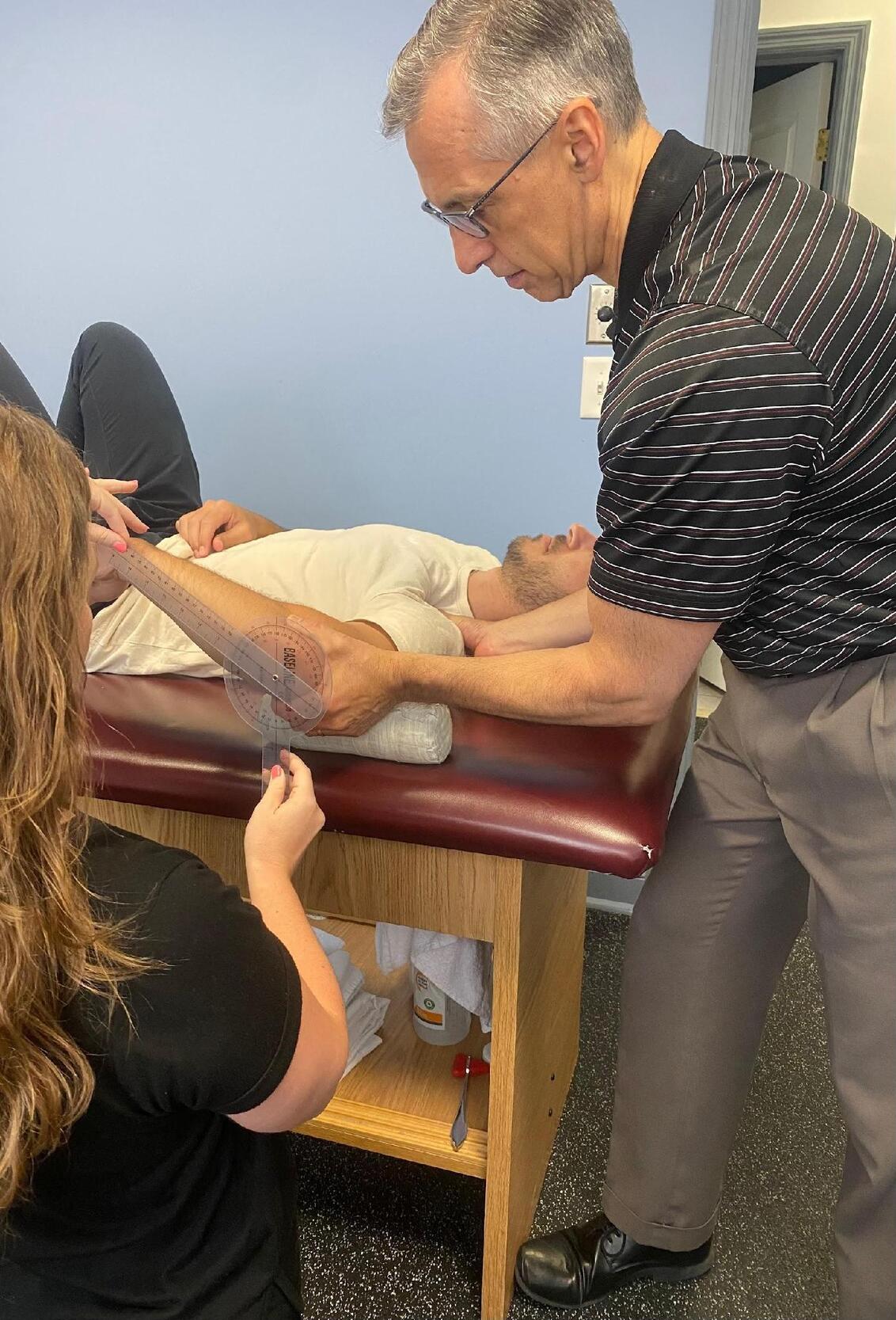
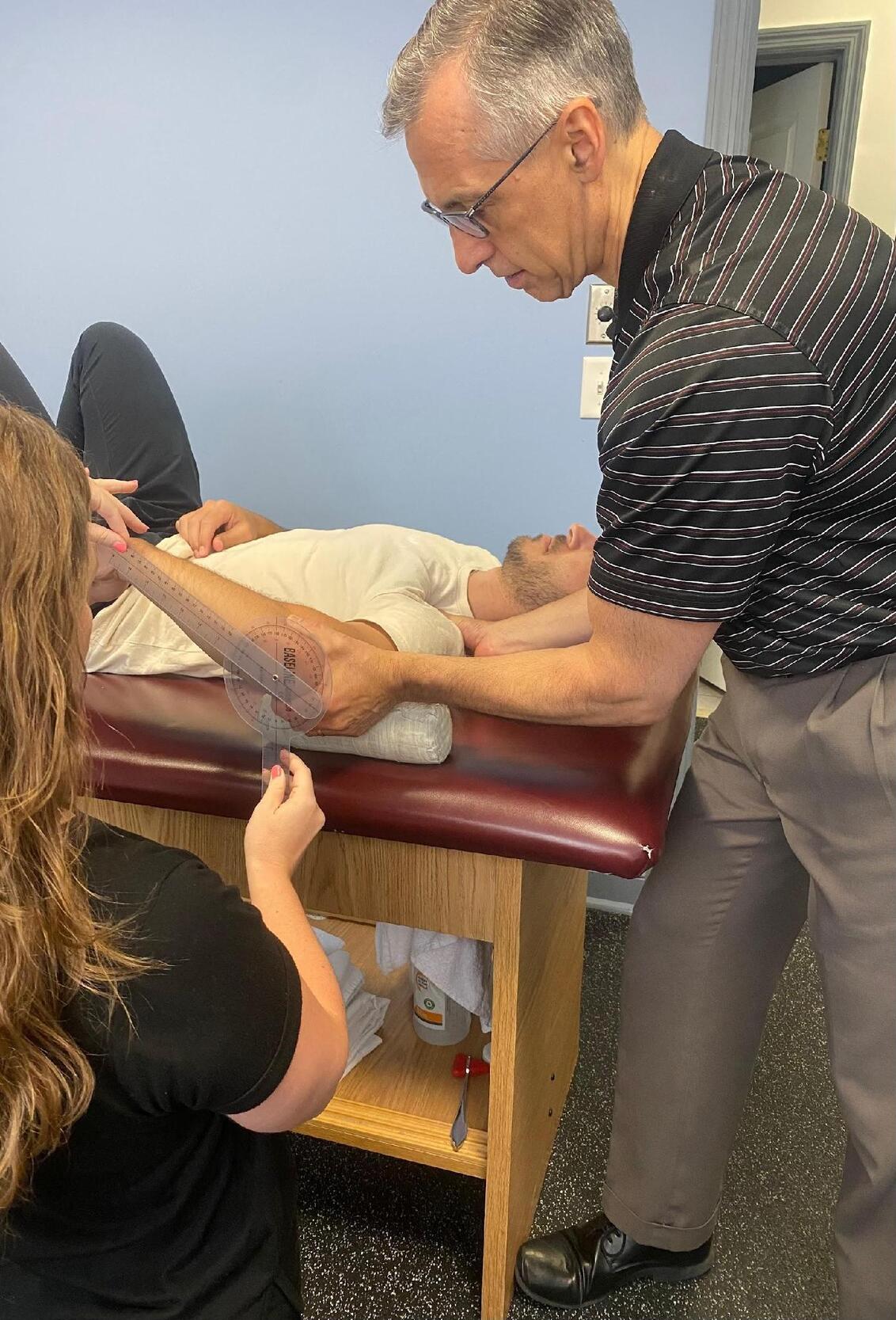
Two examiners were used to measure glenohumeral passive IR ROM. The athlete was supine with his humerus placed in 90 degrees of abduction with a small towel roll just proximal to the elbow to position the humerus in slight horizontal adduction (Figure 1). The examiner provided scapular stabilization and passively internally rotated the shoulder as has been previously described.18 While gentle pressure was applied to the coracoid process and spine of the scapula, the examiner initiated internal rotation by applying pressure on the forearm and stopped once the scapula could no longer be stabilized. A measurement was obtained at this point by a second examiner, thereby maintaining blinding of the first examiner. This assessment was performed a single time at baseline and then again at completion of the simulated game.
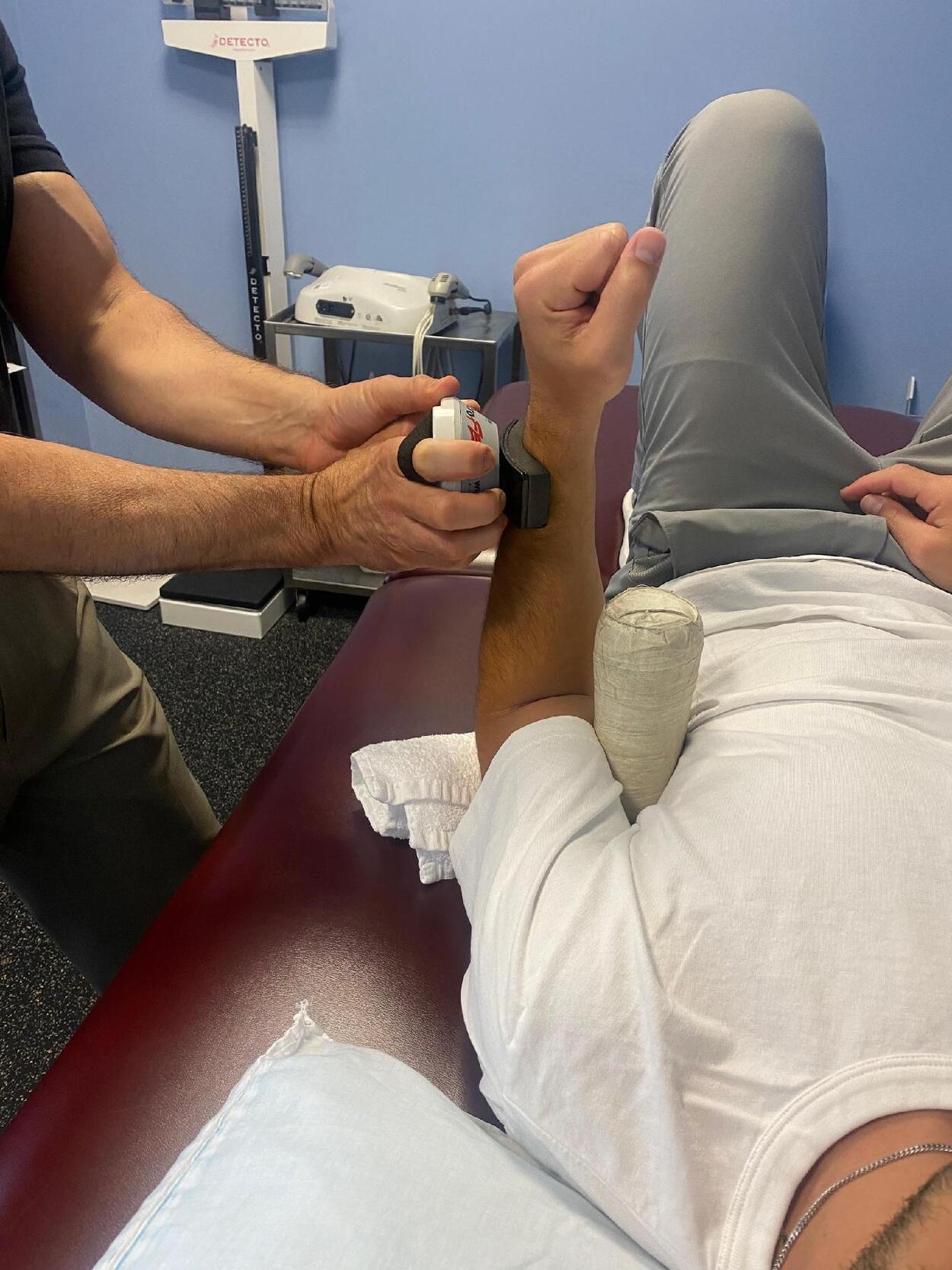
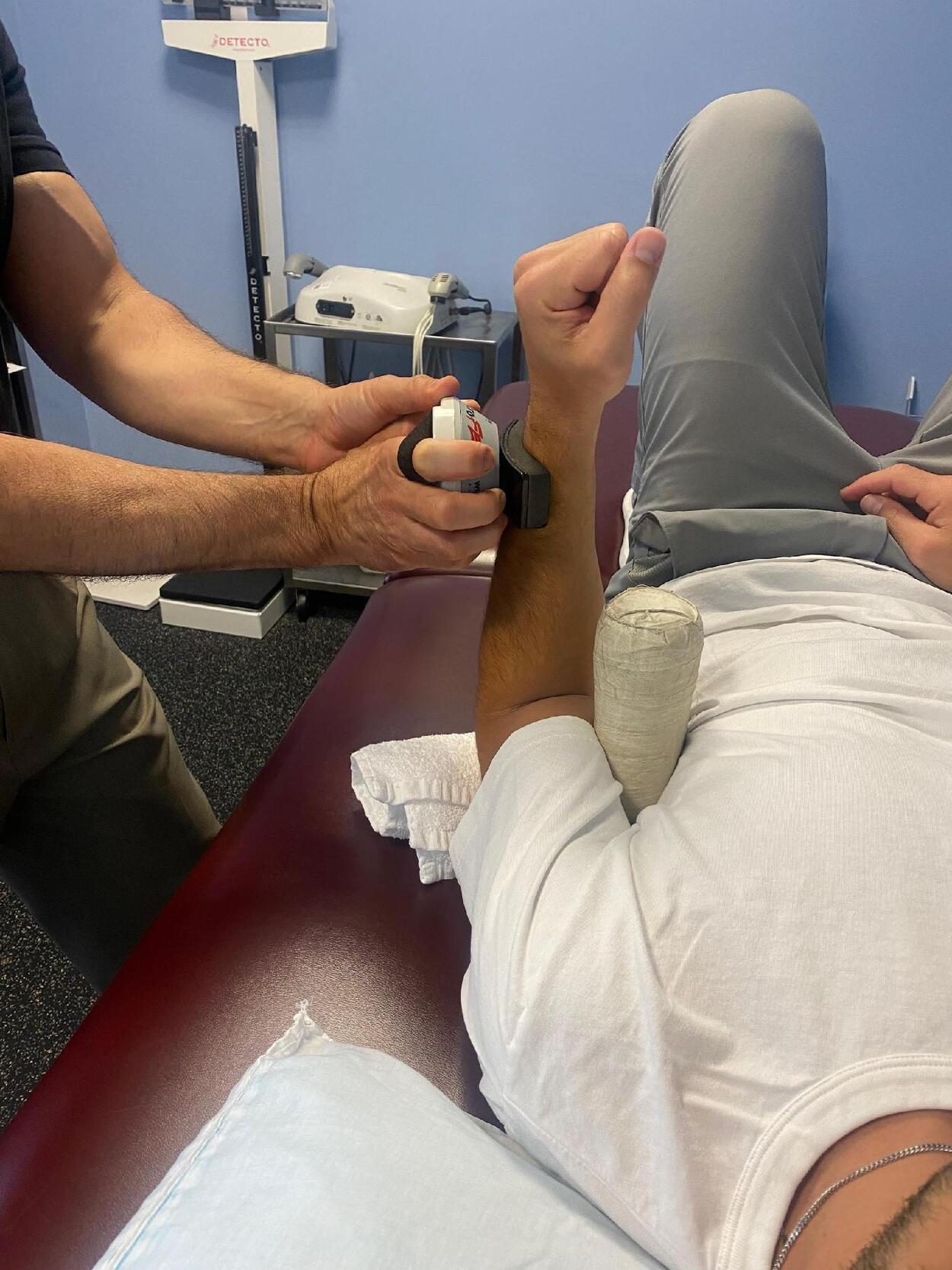
Strength of the shoulder external rotators was assessed with the participant in supine and the test arm at the side of the body with a small towel roll placed between the body and distal humerus (Figure 2). This test was performed at 0 degrees of abduction based on EMG evidence indicating this position resulted in less deltoid activity and the greatest percentage of maximum voluntary contraction of the teres minor and infraspinatus.19 This position has been used in previous studies investigating infraspinatus activity in this population.14,15 A handheld dynamometer (MicroFET 2, Hoggan Scientific, Salt Lake City, Utah) was used to obtain a reading of force output (kg) during the test. The examiner placed the dynamometer at the dorsal surface of the forearm just proximal to the styloid process of the radius. The athlete was instructed to perform a make test by pushing into the dynamometer with gradually increasing force to his maximum over a period of 3-5 seconds. The athlete was cued to maintain adduction into the towel roll during this contraction to improve recruitment of the infraspinatus while inhibiting the deltoid.20 Force output was recorded by a second examiner to maintain blinding of the first examiner. This measurement was obtained a single time at baseline and then again at completion of the simulated game.
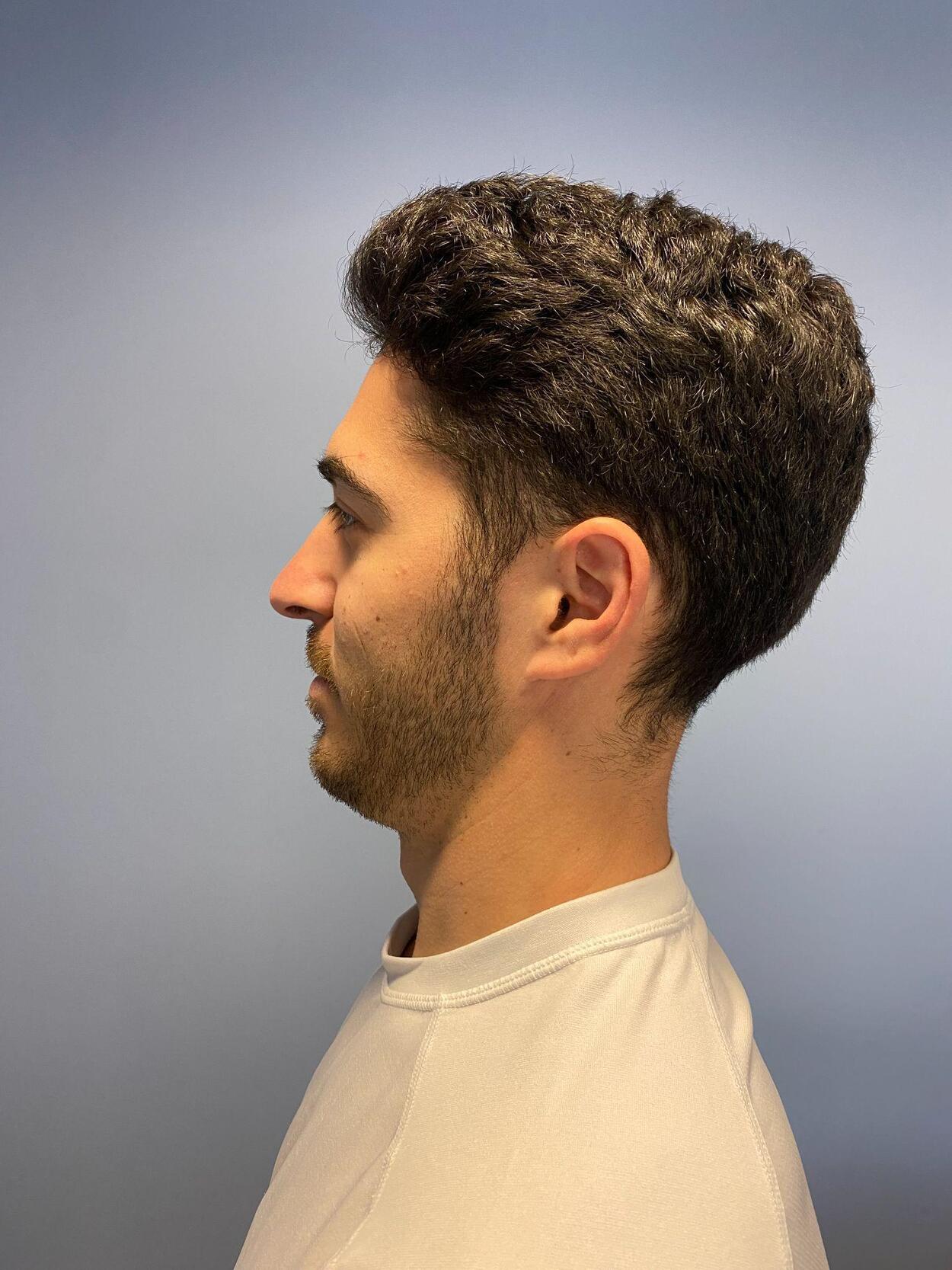
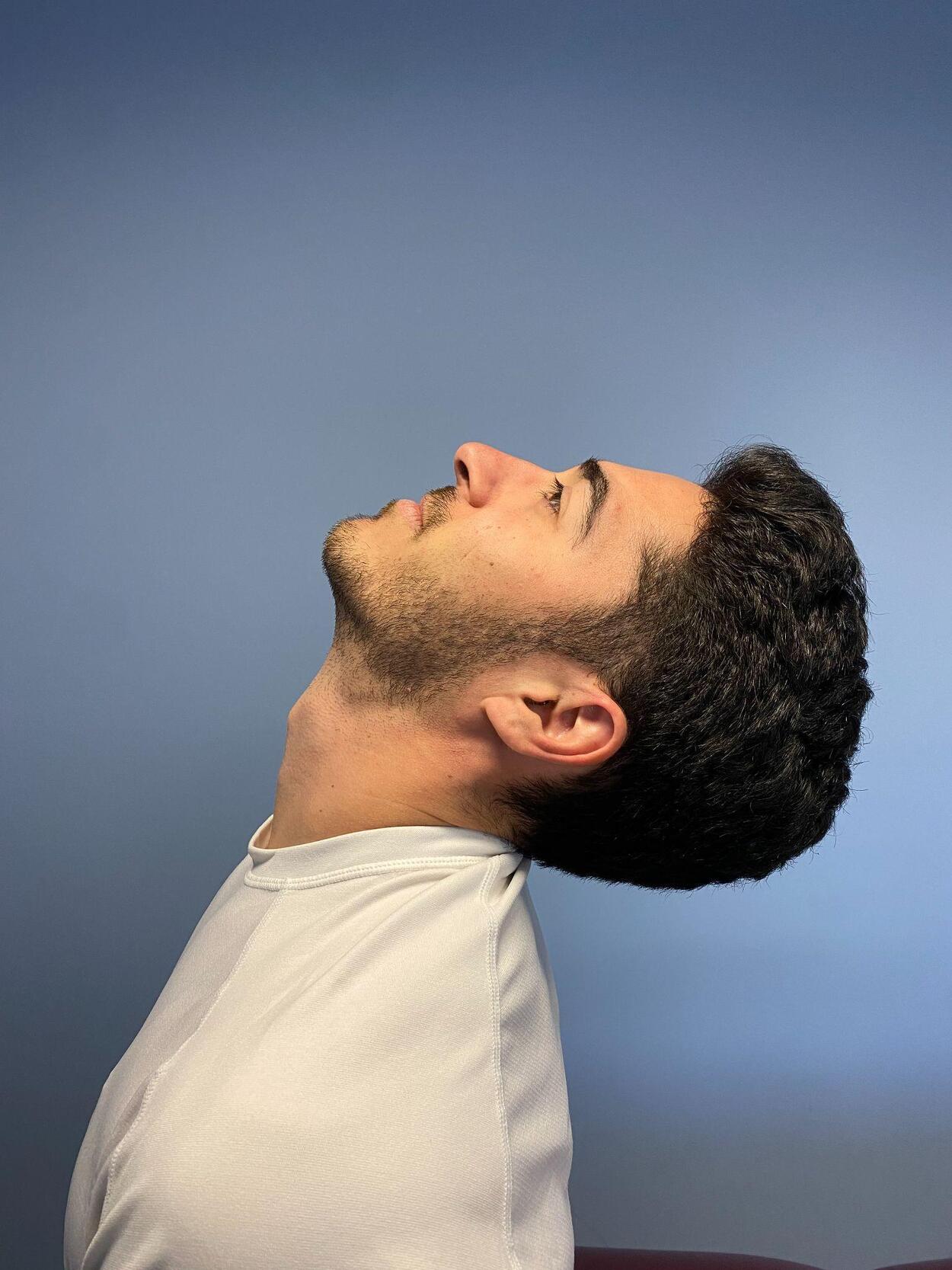
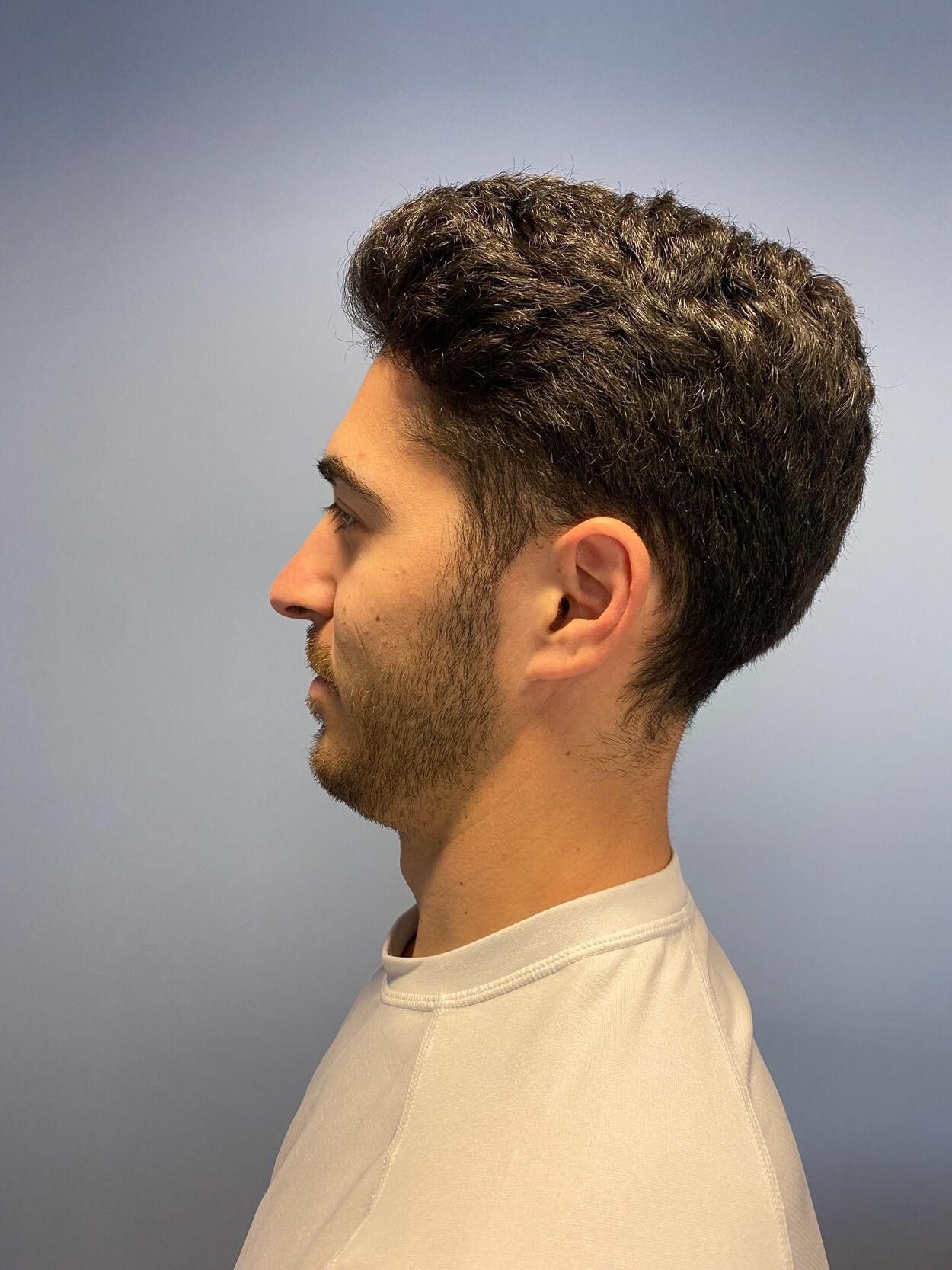
The experimental group was instructed to perform end-range cervical retraction and cervical retraction with extension while standing between innings of the simulated game (Figures 3A, 3B). The athlete held the end-range of motion for 3 seconds and performed 10 repetitions of each exercise. Control group participants were instructed to rest between innings without performing any exercises.
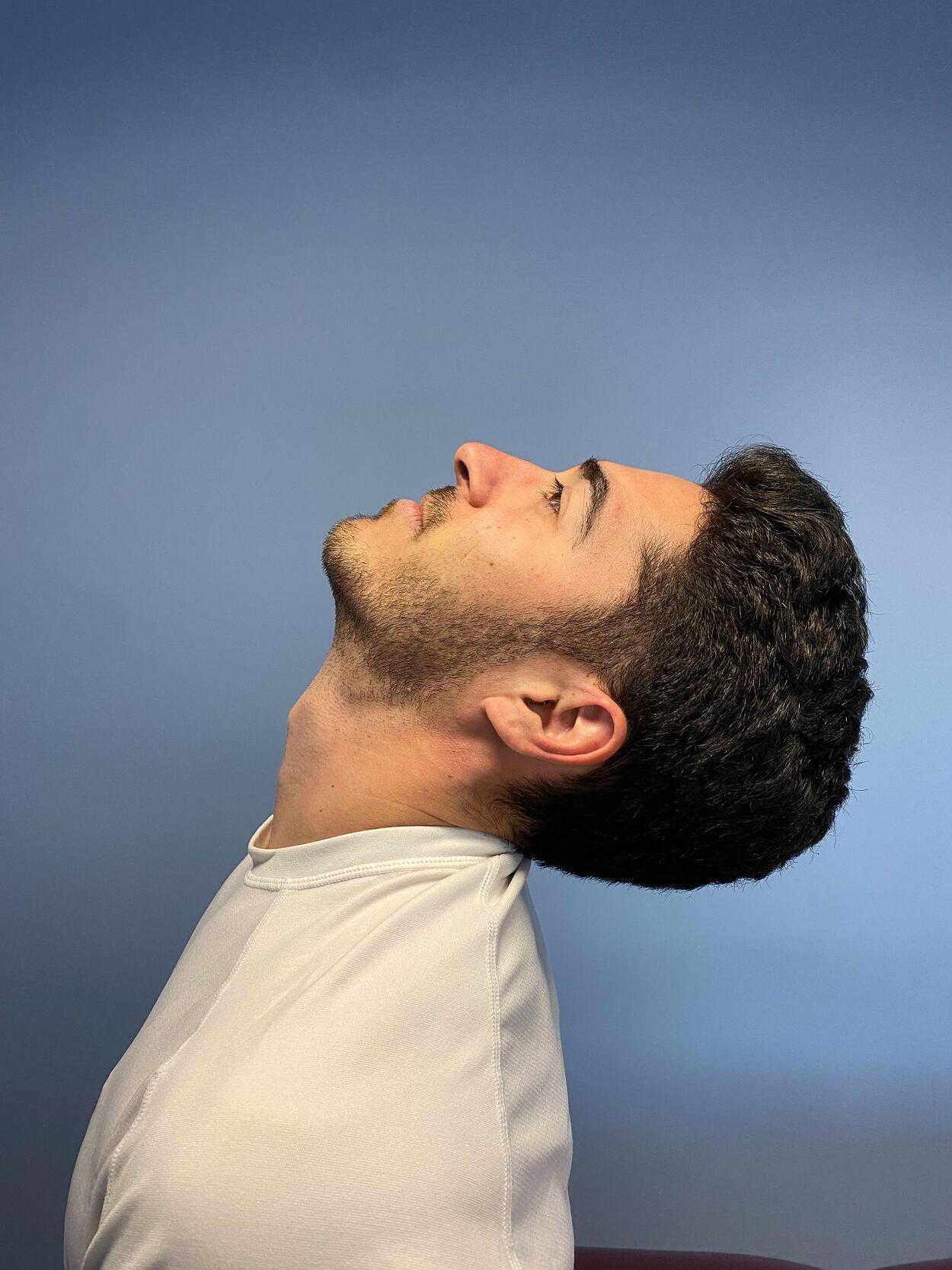
Pheasant and colleagues21 demonstrated a statistically significant decrease in ER strength after maintaining a forward head rounded shoulder (FHRS) posture for 5 minutes. They surmised that this occurred due to an anterior shear of C4 on C5 while in the FHRS posture causing a compression of the C5 nerve root. The decline in ER strength appeared to resolve once returned to a neutral cervical spine posture. In another case report, Pheasant22 reported an improvement in shoulder ER strength and elimination of a painful empty can test in an overhead thrower and a swimmer presenting with functional impingement after performing the cervical retraction and retraction with extension exercises.
Statistical Methods
Independent samples t-tests were used to assess for between-group differences in shoulder IR ROM and ER strength. Chi square testing was performed for any categorical variables. Effect sizes were calculated using Cohen’s d and the following interpretation was used: <0.20=trivial, 0.20-0.49=small, 0.50-0.79=moderate, and ≥0.80=large. Given the small sample size, normality of the data was assessed using the Shapiro-Wilk test and visual inspection of Q-Q plots; results suggested no meaningful deviations from normality. Because body weight differed significantly between groups (with the control group being heavier) and heavier pitchers may throw harder, potentially inflating post-throwing strength deficits, an ANCOVA was conducted to control for body weight.
RESULTS
A total of 20 participants (age=19.2 ± 3.3) were enrolled in the study. All participants were overhead throwers between the ages of 15 and 24 with seven pitching at the high school level, 10 at the collegiate level, and three that were former collegiate pitchers. Of the 20 pitchers, 13 self-identified as starters, six as relievers, and one as a closer. Descriptive statistics for participant age, height, weight, throwing arm and pitching role can be seen in Table 1. There was a significant between-group difference for weight (p=0.045).
The mean baseline measure (pre-simulated game) for passive shoulder IR ROM was 56.5 degrees (SD=10.2) for the control group and 49.3 degrees (SD=6.4) for the experimental group which was not significantly different (p=0.074). Post-simulated game, there was a significant difference in passive IR ROM between the control group (48.1 ± 6.8 degrees) and the experimental group (57.0 ± 9.2 degrees) (mean difference=8.9, p=0.024, Cohen’s d=1.10), with a large effect size. The change in passive IR ROM pre- and post-simulated game was statistically significantly different between groups (mean difference=16.1, p<0.001, Cohen’s d=3.18), also with a large effect size.
For shoulder ER strength, prior to the simulated game the control group and experimental group had a mean of 12.2 kg (SD=3.3) and 12.6 kg (SD=4.0), respectively, which were not significantly different (p=0.833). Post-simulated game, the control group had a mean of 11.2 kg (SD=2.8) and the experimental group was 12.0 kg (SD=3.2) (mean difference=0.84, p=0.537, Cohen’s d=0.28), with a small effect size. The mean reductions in ER strength from pre- to post-game were 1.0 kg and 0.5 kg for the control and experimental groups, respectively (mean difference=0.49 kg, 95% CI: -0.7–1.7 kg). These changes were not significantly different and the effect size was small (p=0.399, Cohen’s d=0.39) (Table 2).
Passive shoulder IR ROM increased post-simulated game for every pitcher in the experimental group and decreased for every pitcher in the control group. The significant decrease in IR motion immediately following pitching in the control group was similar to the findings by Reinold et al1 in their study on asymptomatic professional baseball pitchers. The average decrease in IR ROM in that study was 9.8 degrees compared to the current results of 8.4 degrees. Although the experimental group demonstrated approximately 50% less reduction in ER strength following the simulated game compared with the control group, the between-group difference did not reach statistical significance. After controlling for weight, there was still no significant group effect on change in ER strength (F(1,17)=0.008, p=0.928) and the covariate of weight was not significant (p=0.057).
DISCUSSION
The findings of this study suggest that cervical exercises performed between innings may help preserve shoulder IR ROM immediately after a simulated game. Strength of the external rotators was not affected significantly by this intervention. It is characteristic to find rotator cuff weakness and GIRD occurring in conjunction with each other in the overhead thrower. Yamura et al23 found significant correlations in asymptomatic professional baseball pitchers between GIRD greater than 20 degrees and atrophy of the supraspinatus and infraspinatus, weakness of ER strength, and limitation of total ROM. The implication of a neuromuscular component originating from the cervical spine as a possible link between the two entities appears important. The significant post-game differences in IR ROM results (with large effect sizes) between groups support this assertion. However, the current results of no statistically significant post-game strength differences between groups (with trivial to small effect sizes) does not support this proposed link.
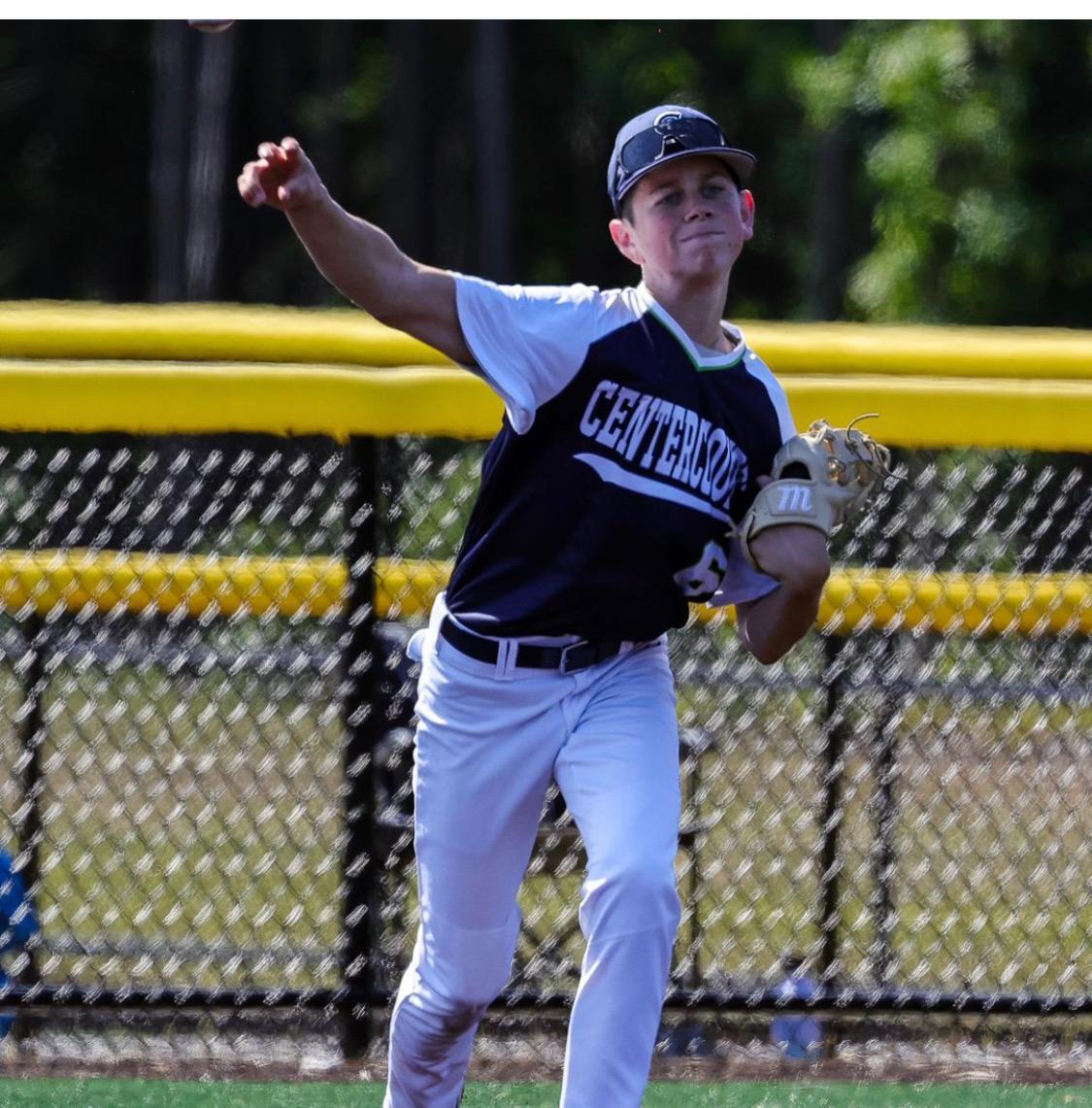
During the late cocking through the follow-through phase of throwing, the trunk rapidly flexes, rotates and laterally flexes on a fixed head, causing relative neck extension, rotation, and lateral flexion towards the throwing side (Figure 4). The common mechanical flaw of early trunk rotation, or “opening up too early” seen during pitching can lead to excessive trunk motion in the flexed, rotated, and laterally flexed position, leading to greater compensation at the cervical spine and thereby potentially increasing compression in the mid-cervical spine on the throwing side. Additionally, Devaney and colleagues24 reported an association between reduced upper cervical spine mobility and throwing-related shoulder and elbow injuries in collegiate pitchers. Reduced upper cervical spine mobility may result in a compensatory increase in mid-cervical motions of rotation, lateral flexion, and extension. This may decrease the space for the nerve roots in the intervertebral foramina at the mid and lower cervical spine with consequent myotomal changes impairing scapular and glenohumeral neuromuscular performance.24 In addition, due to the high rotational forces, the facet joints and surrounding nerves and soft tissues may incur trauma. Tenderness at the C4-C5 facet with suspected cervical dysfunction has been reported to be a common finding in the symptomatic overhead thrower.25
Pheasant et al.21 noted that an intermittent compromise of the C5 nerve root could lead to enough compression to impair nerve function yet not cause nerve damage. The C5 nerve root has distributions to the suprascapular and axillary nerves, thereby possibly contributing to alterations in neuromuscular recruitment of the supraspinatus, infraspinatus, and teres minor. A player may experience compression in the mid or lower cervical spine with every throw, and when compounded over the length of a game, could have deleterious effects. Authors have linked the decrease in infraspinatus muscle activation following pitching to impaired neuromuscular recruitment as well as suboptimal motor unit firing or recruitment due to a lack of central drive.15,26
In the current study, cervical retraction and cervical retraction with extension exercises were performed between innings of a simulated game to assess impact on post-throwing IR ROM and ER strength. These exercises have been suggested to increase intervertebral foraminal space, which may reduce compression of nerve roots passing through the foramina and potentially contribute to improved neuromuscular recruitment.21,22 The exercises employed were utilized by Pheasant22 in a previous case series and an improvement in ER strength at 0 degrees of abduction was reported in two overhead athletes with functional impingement. Though IR ROM was only visually assessed and not measured goniometrically, in both cases a positive Hawkins-Kennedy test pre-intervention was resolved following the exercise intervention. A loss of IR ROM could conceivably contribute to a positive Hawkins-Kennedy test that would change with improved range. However, it is important to note that cause and effect cannot be assumed from case report research and the present findings do not provide strong evidence either supporting or refuting a treatment effect on ER strength. The confidence interval surrounding the mean difference encompassed both potentially meaningful positive effects and negligible effects, suggesting that further investigation in larger samples is warranted to better evaluate this theory.
The ability to improve shoulder ROM by directing an intervention to an asymptomatic cervical spine would support a connection between the two. Schneider27 suggested that cervical dysfunction may be responsible for restriction of shoulder motion that presents as a capsular restriction. In his study on patients presenting with a diagnosis of adhesive capsulitis who had not improved with treatment centered on the shoulder, he observed restrictions of intervertebral accessory and physiological movements at C4/C5 and C5/C6. Repetitive oscillatory mobilizations to those cervical segments improved the most restricted movement of external rotation at the shoulder. Cervical lateral glide mobilizations at the levels of C5, C6, and C7 on patients with shoulder dysfunction were also found to diminish the radius of the arc of pain with shoulder abduction.28 Additionally, preliminary findings from an unpublished study involving 20 asymptomatic collegiate overhead athletes suggest that a cervical rotational manipulation at the C5/C6 level on the throwing-arm side results in a significant increase in shoulder IR ROM at 90 degrees of abduction. One of the possible mechanisms noted for the improvement in shoulder motion in mobilization/manipulation studies is the possibility of increasing the intervertebral foraminal area in the mid-cervical spine on the dysfunctional and throwing side. Lentell et al29 found a similar increase in foraminal area in C4/C5, C5/C6, and C6/C7 by performing cervical retraction. Thus, the potential increase in the vertical and transverse foraminal dimensions, whether through manual therapy (mobilization or manipulation) or exercise such as retraction or retraction/extension, may enlarge the available space for a nerve root to exit and potentially decrease compression of a compromised nerve root22 and positively affect mobility and strength.
The primary limitation of this study is that changes in IR ROM and ER strength were assessed only immediately post-throwing in a simulated game setting, and the longer term or cumulative effects of a cervical retraction exercise approach are unknown. It would be beneficial to ascertain if such an intervention would produce similar findings over the length of a season and if the acute changes observed in this study translate to reduction in injury risk. Future research should include repeated measures across multiple outings and throughout a competitive season. Additionally, only single measurements were utilized which may have reduced reliability and increased measurement error, potentially limiting the ability to detect statistically significant ER strength changes; averaging multiple trials may improve measurement precision. A post-hoc power analysis indicated that the study was underpowered to detect differences in ER strength, further contributing to the non-significant findings. Although the groups were similarly distributed, participant age (15–24 years) introduced variability in skeletal maturity and throwing exposure. These differences could impact baseline measures and post-intervention responses. Future studies should consider more homogeneous samples. Pitch count was standardized at 60 pitches in a controlled indoor setting and data collection occurred during the off-season. A moderate pitch count was agreed upon to limit exposures; however, higher workloads may yield different responses, particularly since the cervical compression mechanism proposed would presumably be amplified at higher pitch counts. The authors are unable to ascertain if the same findings would be consistent with a different demographic, pitch count, or in a real game situation. Finally, the absence of a sham group, such as a group performing cervical exercise through a limited ROM without the ability to provide a meaningful effect at the intervertebral foramina, limits internal validity, and incorporating a sham intervention may have improved the validity of the current results.
CONCLUSION
The results of this study indicate that performance of active cervical retraction exercises between pitching innings of a simulated game resulted in a significant post-game increase in passive shoulder IR ROM at 90 degrees of abduction when compared to the control group. Although external rotator strength changes indicated a reduction in the loss of strength post-game in the experimental group, these changes were not significantly different from the control group. Based on previous research, GIRD and rotator cuff strength loss have been associated with an increase in injury risk potential in overhead throwers and the potential to limit those deficits following throwing using simple cervical exercises between innings may have significant clinical implications.
Acknowledgments
The authors would like to thank Strength and Conditioning Coach, Mosess Menendez, for all of his assistance through the process of this study. His ability to provide a facility for the data collection and access to the pitchers he works with, was instrumental in our ability to complete this study. His unwavering support and participation is greatly appreciated.